

When most people hear the word “collagen,” they immediately think of beauty products, glowing skin, or anti-aging supplements.
But collagen is far more than a cosmetic trend.
Collagen is actually the most abundant protein in the human body and plays a critical role in the strength, structure, and repair of tissues throughout the body — not just the skin, hair, and nails.
In many ways, collagen is the body’s internal scaffolding. Without it, the body literally begins to weaken from the inside out.
What Exactly Is Collagen?
Collagen is a structural protein found in:
- skin
- joints
- tendons
- ligaments
- muscles
- bones
- blood vessels
- cartilage
- gut lining
- connective tissue
It provides strength, flexibility, and support to tissues that constantly experience stress and movement.
There are at least 28 known types of collagen, but the majority of collagen in the body comes from:
- Type I – skin, bones, tendons
- Type II – cartilage and joints
- Type III – organs, blood vessels, muscles
According to the Cleveland Clinic, collagen makes up roughly 30% of the body’s total protein content.
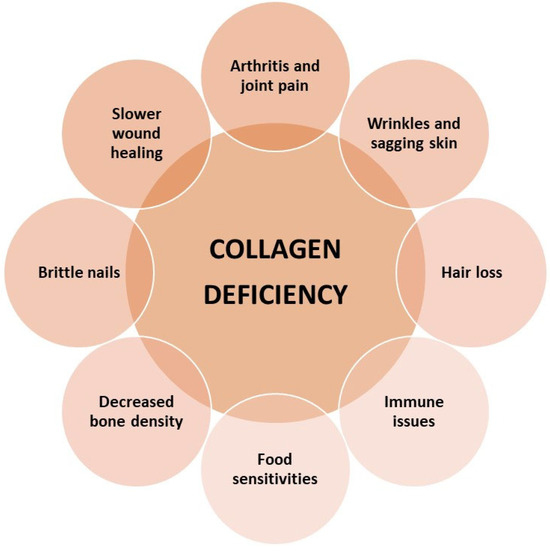
Collagen Production Declines With Age
Beginning as early as our mid-20s, collagen production naturally begins to decline.
Factors that accelerate collagen loss include:
- aging
- stress
- smoking
- excess sugar intake
- UV exposure
- poor sleep
- alcohol
- nutrient deficiencies
- chronic inflammation
This decline is often first noticed externally through:
- wrinkles
- sagging skin
- brittle nails
- thinning hair
But the internal effects may be even more important.

Collagen Supports Joint Health and Mobility
One of collagen’s most important functions is maintaining healthy cartilage — the tissue that cushions joints.
As collagen levels decline, cartilage can weaken over time, potentially contributing to:
- joint discomfort
- stiffness
- reduced flexibility
- wear-and-tear changes
Research suggests collagen peptides may help support joint comfort and physical function, particularly in active individuals and aging adults.
A review published in the journal Nutrients found growing evidence that collagen supplementation may improve joint functionality and reduce exercise-related joint discomfort in some populations.
Collagen Is Critical for Gut Health
The gut lining is made partly from connective tissue rich in collagen-related amino acids such as:
- glycine
- proline
- glutamine
These amino acids help support the integrity of the intestinal lining.
Some practitioners believe collagen may help support digestive health and gut barrier function, although more large-scale human studies are still needed.
This is one reason collagen-rich foods like bone broth have been used traditionally in many cultures during periods of illness or digestive stress.
Collagen Supports Muscle Mass and Recovery
Collagen is not a complete muscle-building protein like whey, but it still plays an important role in muscle function and recovery.
Muscles are surrounded and supported by connective tissue made largely from collagen. Tendons that connect muscle to bone also rely heavily on collagen strength.
Some research suggests collagen supplementation combined with resistance training may support:
- muscle recovery
- lean body mass
- strength
- connective tissue repair
especially in older adults.
Collagen Helps Support Bone Strength
Many people think bones are made only of calcium, but collagen actually forms the structural framework that minerals attach to.
Without adequate collagen, bones may become more brittle and less flexible.
Research has shown collagen peptides may help support bone mineral density in aging populations, especially postmenopausal women.
National Library of Medicine – Collagen and Bone Health

Collagen and Cardiovascular Health
Collagen is also found in:
- blood vessel walls
- arteries
- heart connective tissue
Healthy collagen helps maintain the structure and elasticity of blood vessels.
When collagen production weakens, vascular tissues may lose some structural integrity over time.
Collagen Supplements: Helpful or Hype?
Collagen supplementation has exploded in popularity, but not all products are equal.
Hydrolyzed collagen peptides are broken into smaller amino acid chains that are easier to digest and absorb.
Many people report improvements in:
- skin hydration
- nail strength
- joint comfort
- recovery
- mobility
However, results vary depending on:
- age
- diet
- protein intake
- vitamin C status
- overall health
- consistency of use
Collagen should not be viewed as a miracle cure, but it may help support connective tissue health when combined with:
- adequate protein intake
- nutrient-rich foods
- vitamin C
- resistance exercise
- healthy lifestyle habits

The Bigger Picture
Collagen is not just about beauty.
It is one of the body’s most important structural proteins, influencing:
- joints
- bones
- muscles
- blood vessels
- digestion
- mobility
- recovery
- healthy aging
The visible effects of collagen loss may show up in the mirror first — but the deeper effects happen throughout the entire body.
And because collagen production naturally declines with age and stress, supporting the body with proper nutrition, vitamin C, protein, and healthy lifestyle habits becomes increasingly important over time.
0 comments