

Magnesium is involved in hundreds of processes throughout the body, including muscle function, nervous system regulation and energy production.
While magnesium is most commonly taken as an oral supplement, topical magnesium — often applied as magnesium oil sprays, lotions or bath flakes — has become increasingly popular for localized support.
Instead of being taken through the digestive system, topical magnesium is applied directly to the skin, where it is used by many people as part of routines for muscle relaxation, recovery and evening relaxation.
So what are the potential benefits of topical magnesium, and how is it commonly used?
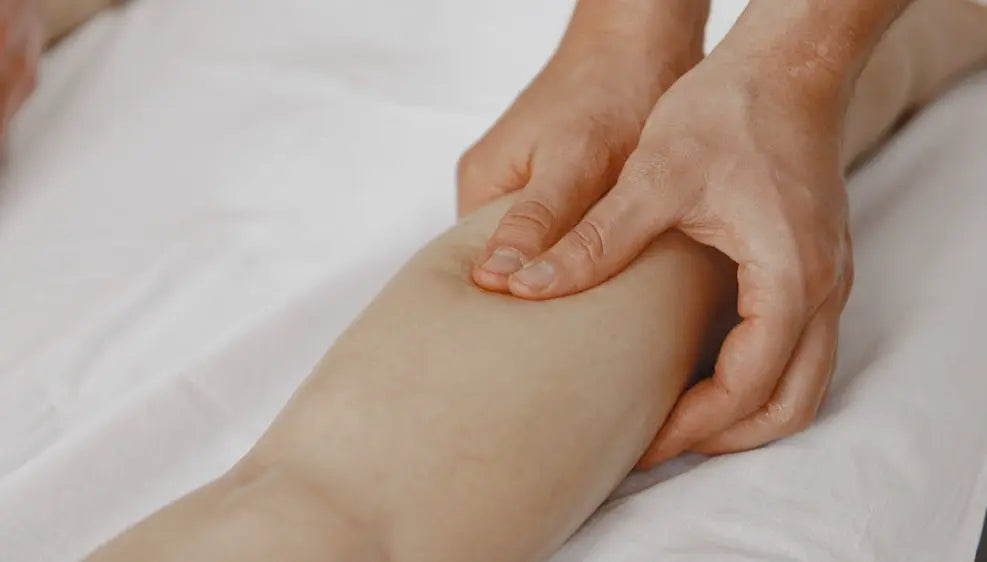
Muscle Relaxation and Recovery
Magnesium plays a central role in muscle function.
Within muscle cells, magnesium helps regulate the balance between contraction and relaxation. Calcium promotes muscle contraction, while magnesium helps muscles relax again.¹
When this balance is disrupted, muscles may become more prone to tightness, spasms or cramping.
For this reason, topical magnesium is often used to support:
-
muscle tension
-
calf cramps
-
post-exercise soreness
-
tight shoulders or neck muscles
Because it can be applied directly to specific areas of the body, many people use topical magnesium as part of post-workout recovery routines.
Nervous System Relaxation
Magnesium is also important for the regulation of the nervous system.
It helps regulate neurotransmitters — the chemical messengers that allow nerve cells to communicate — and supports the activity of calming pathways within the brain.²
Magnesium also influences the activity of GABA (gamma-aminobutyric acid), a neurotransmitter that slows nerve signaling and promotes relaxation.³
Because of this, magnesium is often associated with helping the body transition into a more relaxed state.
Many people apply topical magnesium to the shoulders, neck or legs in the evening as part of a relaxation routine before sleep.

Skin Hydration and Barrier Support
Magnesium chloride solutions may also provide benefits for the skin.
Some studies suggest magnesium-rich mineral solutions can help support skin hydration and barrier function, potentially improving skin comfort and reducing irritation in some individuals.⁴
Topical magnesium is therefore sometimes used not only for muscles but also for general skin support.

Targeted Application Without Digestive Effects
One advantage of topical magnesium is the ability to apply it directly to areas of discomfort.
Instead of affecting the entire body through digestion, topical magnesium can be used on specific areas such as:
-
calves prone to cramping
-
tight shoulders or neck
-
sore muscles after exercise
-
the lower back
Because it bypasses the digestive system, topical magnesium may also be preferred by people who experience gastrointestinal sensitivity with oral magnesium supplements.
Menstrual Comfort
Magnesium plays a role in muscle relaxation and inflammatory regulation.
For this reason, some people apply topical magnesium to the lower abdomen or lower back during menstruation to support comfort and help ease muscle tension.
While research specifically on topical use is limited, magnesium’s role in muscle physiology is well established.
Why Does Magnesium Oil Sometimes Tingle?
Some people notice a mild tingling or stinging sensation when first applying topical magnesium.
This can occur because magnesium chloride solutions are highly concentrated and may interact with dry or sensitive skin.
The sensation is usually temporary and often becomes milder with regular use.
Applying magnesium to slightly damp skin, using smaller amounts, or moisturizing afterwards can help reduce the sensation if it occurs.
Importantly, the presence or absence of tingling does not indicate whether magnesium is being absorbed — both responses are normal.

Where Topical Magnesium Fits
Topical magnesium offers a practical way to apply magnesium directly to areas of muscle tension or fatigue.
Many people use magnesium sprays or oils as part of routines for:
-
post-exercise recovery
-
muscle relaxation
-
evening wind-down routines
-
localized muscle comfort
While oral magnesium remains the most reliable way to increase systemic magnesium levels, topical magnesium can be a useful complementary approach for targeted support.
For many people, it simply becomes part of a daily routine — applied to shoulders, calves or the lower back at the end of the day.
References
-
de Baaij JHF et al. Magnesium in Man: Implications for Health and Disease. Physiological Reviews. 2015.
https://pubmed.ncbi.nlm.nih.gov/26084693/ -
Gröber U et al. Magnesium in Prevention and Therapy. Nutrients. 2015.
https://www.ncbi.nlm.nih.gov/pmc/articles/PMC4586582/ -
Vink R, Nechifor M. Magnesium in the Central Nervous System. University of Adelaide Press. 2011.
https://www.ncbi.nlm.nih.gov/books/NBK507265/ -
Proksch E et al. Bathing in a magnesium-rich Dead Sea salt solution improves skin barrier function. International Journal of Dermatology. 2005.
https://pubmed.ncbi.nlm.nih.gov/15689218/
0 comments