

Vitamin C is everywhere these days—and for good reason. It’s amazing for both your skin and your overall health. But not all Vitamin C is the same, and how you use it can make a big difference. If you’ve seen Vitamin C Ascorbyl Tetraisopalmitate in skincare or heard of Vitamin C Sea Buckthorn as a supplement, you might be wondering: what’s the difference, and do I need both?
Vitamin C in Skincare: Ascorbyl Tetraisopalmitate
This is a fat-soluble form of Vitamin C, often found in high-performance serums and creams. It’s known for being gentle yet highly effective.
Why it matters for your skin:
✅ Brightens dull skin – Helps reduce pigmentation and gives your skin a healthy glow.
✅ Firms and supports collagen – Encourages skin to stay smooth, elastic, and youthful-looking.
✅ Fights signs of aging – Protects against environmental damage and supports skin repair.
✅ Gentle on sensitive skin – Less irritating than pure ascorbic acid, making it a great choice for everyday use.
Because it’s oil-soluble, Ascorbyl Tetraisopalmitate can penetrate deeper into the skin and work over a longer period of time—ideal for people who want visible, lasting results without irritation.
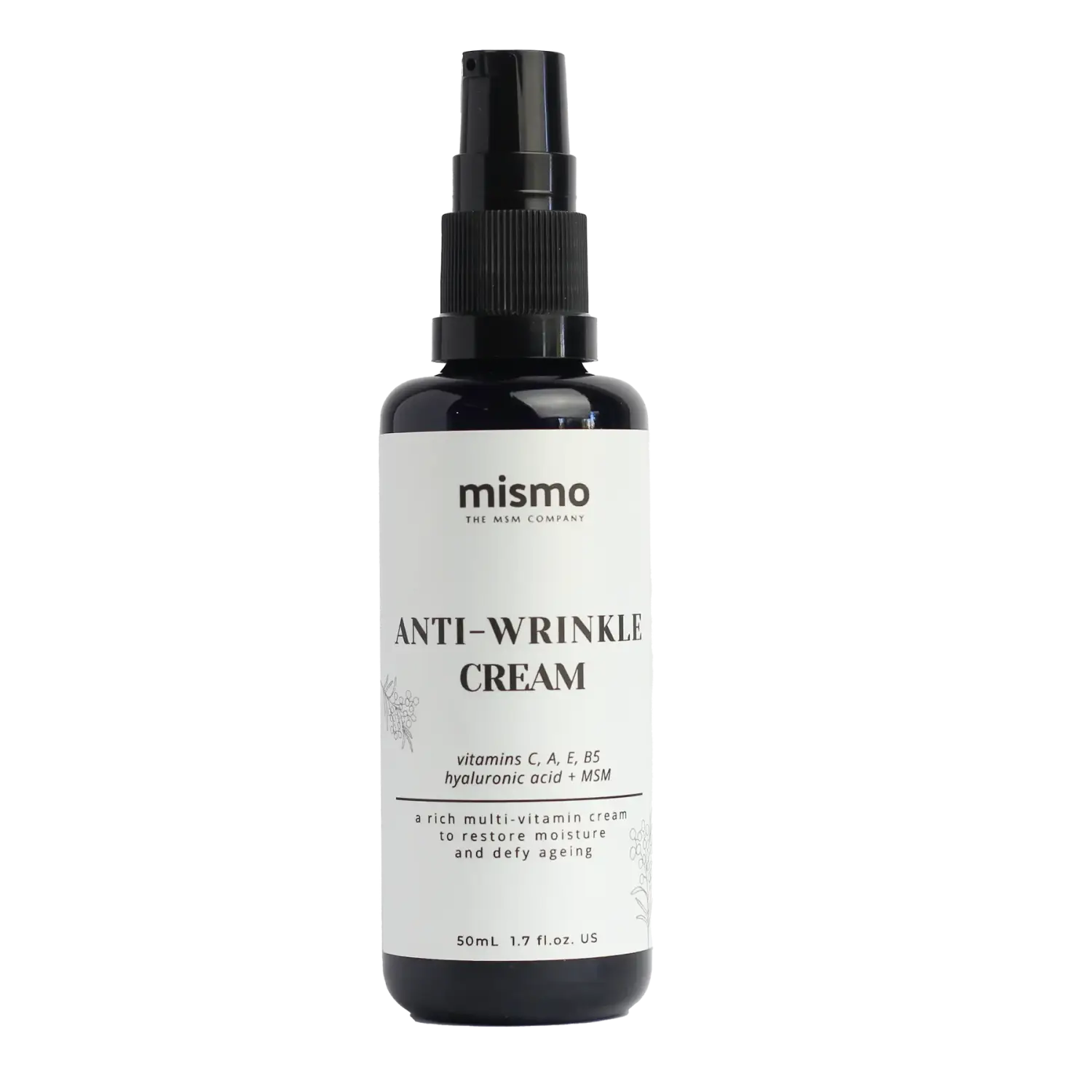
You'll find vitamin c as an active in our skincare range - our A-C-E Serum and Anti-Wrinkle Cream are two options for incorporating this amazing ingredient in your routine.

Vitamin C in Supplements: Sea Buckthorn
Sea buckthorn is a natural source of Vitamin C (along with a host of other antioxidants and fatty acids). When you take it as a supplement, you're supporting your body from the inside out.
Why it matters for your health:
✅ Supports immune function – Helps your body fight off illness and inflammation.
✅ Boosts skin health from within – Promotes healing, hydration, and resilience.
✅ Natural antioxidant – Protects cells from oxidative stress, which contributes to aging and fatigue.
✅ Whole-body support – Helps with energy levels, tissue repair, and nutrient absorption.
While topical Vitamin C targets the surface of the skin, sea buckthorn works internally—nourishing your skin and body as a whole.

Do You Need Both?
If you’re serious about skin health and overall wellness, the short answer is yes.
Topical Vitamin C (like Ascorbyl Tetraisopalmitate) works best for direct skin concerns like pigmentation, texture, and fine lines. Meanwhile, a supplement like sea buckthorn helps your body build healthier skin from the inside, while also boosting your general health.
Think of it this way:
Topical = targeted treatment
Internal = long-term support
Using both can give you the best of both worlds—glow now and glow later.
0 comments