

Healthy, radiant skin is more than just good genetics and a solid skincare routine — it’s built from the nutrients your body has to work with. One of those nutrients is sulphur, often called the “beauty mineral,” and MSM (methylsulfonylmethane) is one of the best ways to supply it.
While MSM is best known for supporting joint comfort, research shows it also plays a powerful role in skin health — helping to improve firmness, texture, and hydration from the inside out.
Why Sulphur Matters for Skin
Sulphur is a building block for collagen, elastin, and keratin — the structural proteins that keep skin smooth, elastic, and strong.
-
Collagen gives skin its firmness and structure.
-
Elastin allows skin to stretch and bounce back.
-
Keratin helps protect the outer layer of the skin and strengthens hair and nails.
Without enough sulphur, your body can’t produce these proteins as effectively. MSM delivers sulphur in a form that’s easily absorbed and used by your body to maintain these critical skin components. Read more about msm and skin health here.
What the Science Says
Clinical research has shown that daily MSM supplementation can lead to measurable improvements in skin appearance and function.
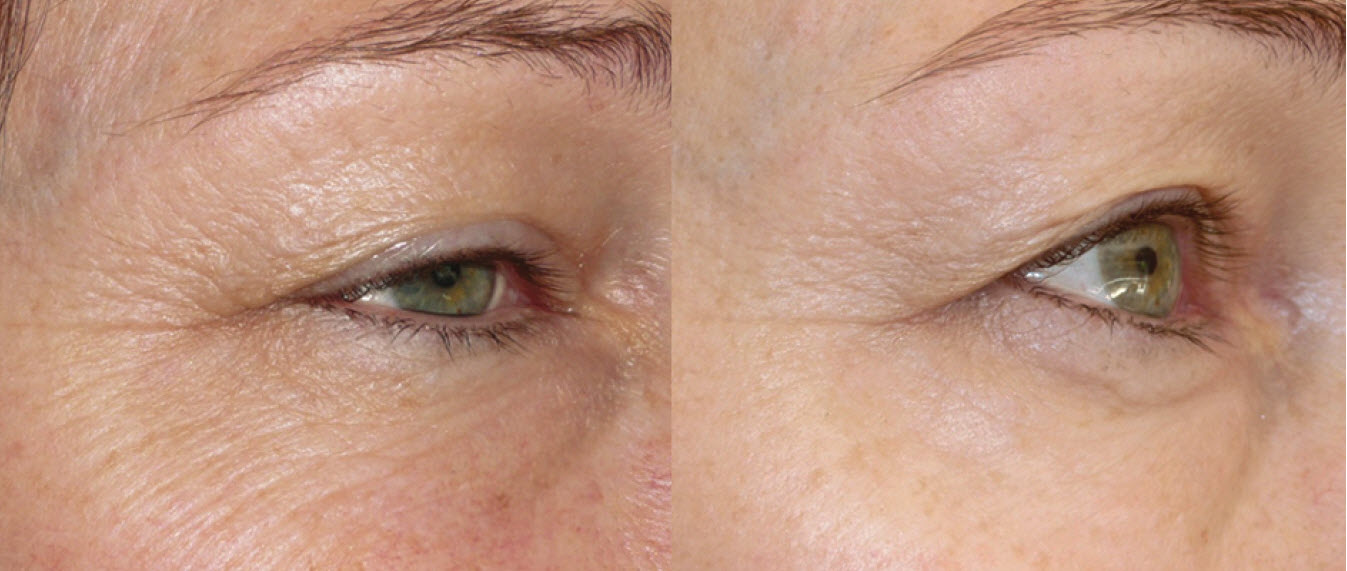
In one 16-week study involving women aged 35–59, participants who took 3 grams of MSM daily experienced:
-
Improved skin firmness – Helping reduce the sagging that comes with age.
-
Greater elasticity – Skin was better able to stretch and return to its original shape.
-
Better hydration – Less dryness and flakiness, with a smoother feel.
-
Reduced fine lines and wrinkles – Crow’s feet area improved by around 17%.
These changes occurred gradually, with noticeable differences appearing within weeks and continuing to improve with consistent use.
How MSM Works for Skin
The benefits of MSM go beyond collagen alone. It also supports the production of dermatan sulfate and hyaluronic acid — compounds essential for maintaining skin hydration and structure.
MSM’s antioxidant properties help protect skin cells from oxidative stress, one of the main drivers of premature ageing. By increasing the body’s production of glutathione (its master antioxidant), MSM helps defend against environmental stressors such as UV exposure and pollution that can break down collagen and elastin over time.
Combining MSM with Other Nutrients
MSM works well on its own, but certain nutrient pairings can amplify its beauty benefits:
-
Vitamin C – Essential for collagen formation and repair.
-
Collagen peptides – Provide the amino acid building blocks for skin structure.
-
Silica – Supports healthy connective tissue and improves skin strength.
Combining MSM with these nutrients offers a more complete “beauty from within” approach, targeting multiple pathways that influence skin health.
How to Take MSM for Skin Benefits
Most skin-focused research uses 1–3 grams daily, taken in one or two servings.
-
Powder form – Easy to mix into water, smoothies, or juice for flexible dosing.
-
Capsules – Convenient and travel-friendly.
Consistency is key. Like most nutritional approaches, MSM works gradually, with the best results seen after several weeks to months of daily use.
Who Can Benefit
MSM can be a valuable addition for:
-
Adults noticing changes in skin firmness or hydration.
-
People dealing with fine lines, wrinkles, or uneven texture.
-
Those with dry or easily irritated skin.
-
Anyone wanting to support skin health alongside their regular skincare routine.
MSM is more than a joint health supplement — it’s a simple, science-backed way to support skin health from the inside. By delivering the sulphur your body needs for collagen, elastin, and keratin, MSM helps maintain firmness, hydration, and resilience at any age.

0 comments